
Navigating the Digital Landscape: Balancing Wellbeing and Connectivity
Introduction – The Digital Tightrope
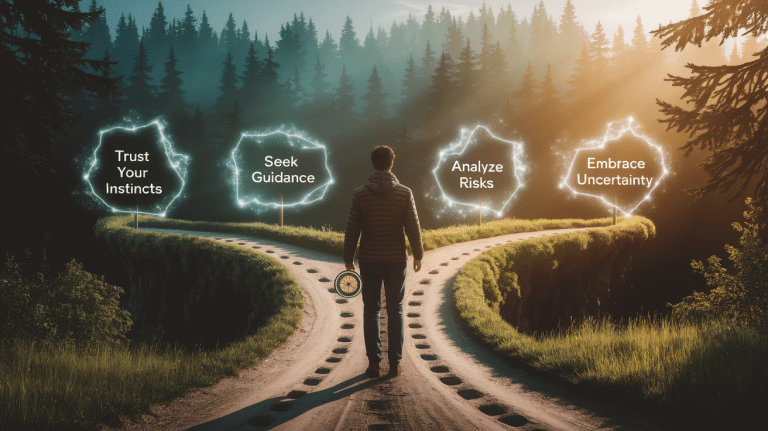
In today’s hyperconnected world, our relationship with digital technology has become increasingly complex. The average person spends over 7 hours per day interacting with screens, blurring the boundaries between our online and offline lives. This digital immersion presents both opportunities and challenges for our personal wellbeing.

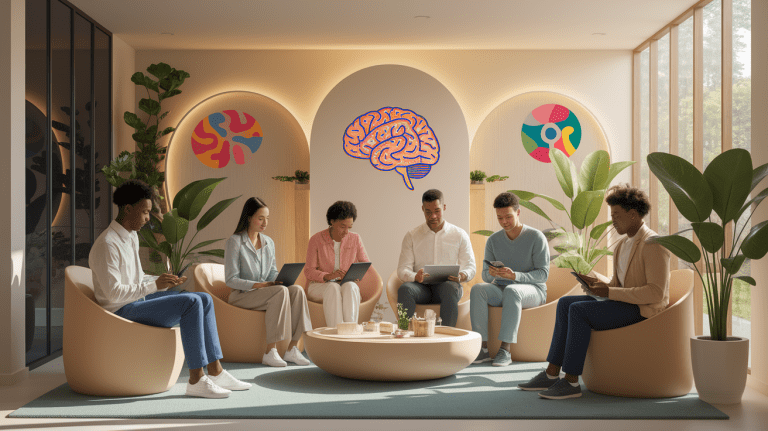
Digital wellbeing refers to the subjective experience of finding an optimal balance between the benefits and drawbacks of digital connectivity. It encompasses affective dimensions (like pleasure versus stress), cognitive aspects (such as satisfaction of intrinsic needs), and social elements (including online connectedness). As our digital footprint expands, understanding this balance becomes crucial for maintaining psychological health in an increasingly virtual world.
The Positive Side of Digital Interactions
Research consistently demonstrates that thoughtful digital engagement can significantly enhance wellbeing across multiple domains:

- Enhanced Social Connections: Routine social media use positively correlates with social wellbeing, positive mental health, and self-rated health by compensating for reduced face-to-face interactions and strengthening existing social networks.
- Psychological Benefits: Online intimacy and self-disclosure in digital contexts can boost self-esteem, self-efficacy, and mood while reducing symptoms of depression, particularly in online support communities.
- Need Fulfillment: Digital platforms that support autonomy, competence, and relatedness contribute to eudaimonic wellbeing, aligning with self-determination theory principles where fulfillment of psychological needs enhances the benefits derived from digital use.
These benefits are most pronounced when digital interactions supplement rather than replace face-to-face connections. The affective and cognitive experiences gained through positive online engagement—like hedonic wellbeing and needs satisfaction—foster healthy digital relationships when supported by empathy and connectedness.
The Dark Side of Digital Dependency
Despite the benefits, excessive or maladaptive digital use can undermine wellbeing in several significant ways:

- Emotional Dependence: Excessive emotional connection to social media, including fear of missing out (FOMO) or dependency, negatively correlates with social wellbeing, mental health, and self-rated health assessments.
- Loneliness Paradox: Despite being more connected than ever, smartphone dependency predicts higher levels of depressive symptoms and loneliness, contributing to what some researchers describe as a global loneliness epidemic affecting over 30% of adults.
- Digital Stress: Problematic internet use, nomophobia (fear of being without mobile phone access), and exposure to online risks are strongly linked to digital stress, which can manifest as anxiety, sleep disturbances, and attention problems.
The negative impacts of digital dependency are particularly concerning for youth and vulnerable populations who may lack the developmental resources to establish healthy boundaries with technology. Research indicates that the relationship between digital use and wellbeing follows a non-linear pattern, with both excessive use and complete abstinence associated with reduced wellbeing compared to moderate, mindful usage.
Protective Factors for Healthy Digital Use
Certain psychological resources and skills serve as protective factors that promote healthy digital engagement while mitigating potential harms:

- Emotional Regulation: The ability to recognize and manage emotional responses to digital stimuli is central to maintaining wellbeing online. This includes managing reactions to social comparison, online conflict, and digital overload.
- Self-Control and Boundaries: Establishing healthy boundaries around technology use, including scheduled digital breaks and screen-free zones, helps prevent dependency and promotes intentional engagement.
- Digital Literacy: Critical evaluation of online content and understanding platform design enables users to navigate digital environments more mindfully and avoid manipulation.
- Adaptive Coping Strategies: Developing healthy mechanisms for managing digital stress—such as mindfulness practices, cognitive reframing, and social support-seeking—buffers against negative outcomes.
These protective factors distinguish healthy digital engagement from dependency. Individual attributes interact with online experiences to shape mental health outcomes, emphasizing the need for personalized approaches to digital wellbeing that account for developmental stage, personal vulnerabilities, and specific usage contexts.
Designing for Digital Wellbeing
The responsibility for digital wellbeing extends beyond individual users to include technology designers, policy makers, and health professionals:

- User-Centered Design: Embedding wellbeing insights into technology design can create digital environments that support rather than undermine psychological health. This includes transparent algorithms, meaningful usage metrics, and built-in tools for managing attention.
- Immersive Technology Potential: Virtual reality (VR) and augmented reality (AR) offer promising avenues for creating more human-centered digital interactions that enhance connection without the drawbacks of traditional social media platforms.
- Digital Phenotyping: Analyzing digital data for health monitoring represents an emerging frontier for understanding and supporting wellbeing. Passive data collection from digital devices can provide insights into behavioral patterns related to mental health.
Future research directions include distinguishing between different levels of intimacy in online interactions and developing interventions that foster eudaimonic experiences online. The goal is to create digital environments that minimize potential harms while maximizing benefits like social support and information access.
Conclusion – Striking the Right Balance
Digital wellbeing emerges from a conscious balancing act between harnessing technology’s benefits while mitigating its risks. Rather than viewing digital technology as inherently harmful or beneficial, research supports a nuanced approach that recognizes contextual factors and individual differences in how we interact with our devices.
The key to maintaining wellbeing in our increasingly digital world lies in developing what the International Telecommunication Union calls “a state of comfort, security, and fulfillment through balanced digital media use.” This requires ongoing self-reflection, community support, and thoughtful design choices that prioritize human flourishing in the digital age.
By cultivating protective psychological resources and advocating for technology that respects human needs, we can create a digital landscape that enhances rather than diminishes our collective wellbeing.