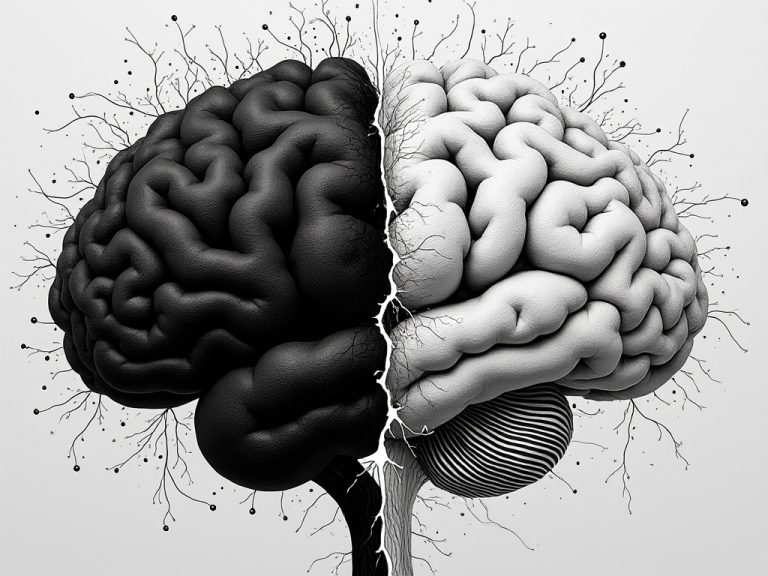

Unraveling the Threads of Transgenerational Trauma
Introduction – The Echoes of the Past
The wounds of trauma do not always heal with time—sometimes, they echo across generations, shaping lives that never directly experienced the original painful events. Transgenerational trauma, also known as intergenerational or inherited trauma, refers to the psychological and physiological impacts of trauma that transfer from one generation to subsequent generations within families or cultural groups.

This phenomenon operates through complex mechanisms including genetic changes, epigenetics, learned behaviors, and shared family environments. It manifests in individuals as anxiety, depression, and post-traumatic stress disorder (PTSD), while also disrupting family dynamics and affecting entire communities with shared historical experiences of oppression or violence.
As the American Psychological Association notes, these trauma legacies can stem from injuries, poverty, or attacks that occurred long before the current generation was born, yet continue to influence their psychological well-being and behavior patterns in profound ways.
The Mechanisms of Transmission
Understanding how trauma transcends generational boundaries requires examining several interconnected pathways through which these experiences are transmitted:
Biological Transmission
Emerging research in epigenetics provides compelling evidence for biological transmission of trauma. Unlike genetic mutations that alter DNA sequences, epigenetic changes affect how genes are expressed without changing the underlying genetic code. Traumatic stress can trigger modifications to gene expression that may be passed to offspring, potentially influencing their stress response systems before birth.
Studies of Holocaust survivors and their descendants have documented biological markers of stress that appear in children who never directly experienced the original trauma, suggesting that extreme stress can leave biological imprints that span generations.

Psychological and Environmental Factors
Beyond biology, trauma transmits through various environmental mechanisms:
- Attachment disruptions: Research highlights how attachment formation plays a central role in transgenerational effects. Parents affected by trauma may develop insecure attachment styles that influence how they bond with their children, perpetuating dysfunctional relationship patterns.
- Parenting styles: Trauma survivors may adopt parenting approaches characterized by overprotection, emotional unavailability, or inconsistent responsiveness based on their own trauma responses.
- Learned coping mechanisms: Children observe and internalize how their parents manage stress and emotional regulation, often adopting similar strategies even when maladaptive.
- Family communication patterns: The ways families discuss (or avoid discussing) traumatic experiences can significantly impact how trauma persists across generations.
Dissociation in attachment contexts represents another critical transmission pathway. When caregivers dissociate during interactions with their children due to their own trauma triggers, these disruptions in emotional presence and attunement can profoundly affect the child’s developing sense of self and security.
Prenatal Influences
Trauma can begin its intergenerational journey even before birth. Maternal stress during pregnancy affects the developing fetus through various physiological mechanisms. Elevated stress hormones can cross the placental barrier, potentially influencing fetal brain development and stress response systems. Additionally, trauma-related behaviors during pregnancy, such as increased substance use or poor self-care, can create secondary pathways for transmission.
Psychological and Physiological Impacts
The effects of transgenerational trauma manifest across multiple dimensions of human experience, touching both mental and physical health domains:
Mental Health Manifestations
Individuals carrying the weight of inherited trauma often experience a constellation of psychological symptoms including:
- Heightened risk for depression and anxiety disorders
- Post-traumatic stress symptoms, including hypervigilance and intrusive thoughts
- Low self-esteem and identity confusion
- Unexplained feelings of grief, guilt, or shame
- Self-destructive behaviors and substance abuse issues
- Difficulties with emotional regulation and trust
What makes these symptoms particularly challenging is that individuals may not connect their psychological distress to historical events or family trauma, creating confusion about the origins of their suffering.

Relational Impacts
Transgenerational trauma profoundly shapes relationship patterns:
- Attachment difficulties: Individuals may struggle to form secure attachments, experiencing relationships through a lens of fear or insecurity.
- Trust issues: Hypervigilance and anticipation of harm can make building trusting relationships difficult.
- Trauma bonding: Unhealthy attachment patterns where individuals bond through shared trauma responses.
- Cycles of abuse: Without intervention, patterns of interpersonal violence or emotional abuse may repeat across generations.
Physiological Effects
The body carries the burden of transgenerational trauma through various somatic expressions:
- Altered stress response systems and dysregulated cortisol levels
- Increased vulnerability to autoimmune conditions and chronic health problems
- Somatic symptoms like chronic pain or gastrointestinal issues without clear medical cause
- Sleep disturbances and physiological hyperarousal
- Dissociative responses including depersonalization when triggered by stress
These physiological manifestations illustrate how trauma becomes embodied, affecting not just the mind but also physical health across generations.
Collective Trauma in Cultural Groups
While transgenerational trauma can affect individual families, its effects become particularly pronounced and complex when experienced by entire cultural or ethnic groups:
Historical Examples of Collective Trauma
Several well-documented examples illustrate how trauma reverberates through cultural groups:

- Holocaust survivors and descendants: Studies of families of Holocaust survivors were among the first to document transgenerational trauma effects, showing higher rates of psychological distress and altered stress responses in offspring.
- African American communities: The ongoing legacy of slavery, Jim Crow laws, and systemic racism has created patterns of transgenerational trauma that continue to affect psychological well-being, family structures, and community dynamics.
- Indigenous peoples: Historical trauma resulting from colonization, forced relocation, and cultural genocide continues to impact indigenous communities worldwide through disrupted cultural practices, language loss, and elevated rates of mental health challenges.
- Refugee populations: Communities displaced by war, persecution, or natural disasters often carry collective trauma that shapes their adaptation and integration into new environments across multiple generations.
Cultural and Community Responses
Cultural trauma often leads to collective responses that can either perpetuate or begin to heal transgenerational patterns:
- Cultural narratives: How communities tell their stories of trauma influences healing trajectories.
- Commemorative practices: Rituals and observances that acknowledge historical suffering can provide pathways for processing collective grief.
- Cultural identity: Strong cultural identification can serve as either a protective factor or additional stressor, depending on context.
- Community resources: The presence or absence of supportive structures within affected communities significantly impacts resilience.
The ripple effects of war, genocide, and discrimination create complex patterns of collective trauma that require community-level interventions alongside individual healing approaches.
Breaking the Cycle
While transgenerational trauma creates powerful patterns, these cycles can be interrupted through awareness, intentional healing practices, and professional support:
Awareness and Education
The first step in breaking transgenerational patterns is recognizing their existence:
- Understanding family history and the potential impact of ancestral experiences
- Identifying patterns of behavior, emotional responses, and relational dynamics that may have roots in family trauma
- Recognizing that unexplained symptoms or relational difficulties might connect to historical experiences
Therapeutic Approaches
Several evidence-based therapeutic modalities show promise for healing transgenerational trauma:

- Family systems therapy: Addresses the intergenerational patterns within the family unit
- Trauma-informed therapy: Approaches that recognize the widespread impact of trauma and potential paths for recovery
- Attachment-focused therapies: Work to repair disrupted attachment patterns that transmit trauma between generations
- Somatic approaches: Address how trauma is held in the body through mindfulness and body-centered interventions
- Narrative therapies: Help individuals and communities rewrite trauma narratives in empowering ways
Building Resilience
Fostering resilience provides protection against the continuing effects of transgenerational trauma:
- Developing secure attachment relationships
- Cultivating emotional regulation skills
- Creating meaning from adversity
- Building supportive community connections
- Practicing cultural and spiritual traditions that promote healing
Research indicates that breaking the cycle of transgenerational trauma requires not only addressing past wounds but also actively cultivating protective factors that promote psychological well-being and healthy relationships.
Conclusion – Healing Through Understanding
The journey of healing transgenerational trauma begins with recognition—acknowledging that our psychological landscapes are shaped not only by our own experiences but also by those of our ancestors. By understanding the mechanisms through which trauma travels across generations, we gain powerful insights into patterns that may have seemed inexplicable.
This understanding offers hope. What has been learned can be unlearned; patterns that have been transmitted can be transformed. Through conscious awareness, therapeutic support, and community resources, individuals and groups can begin the process of metabolizing historical wounds that have long gone unaddressed.
The growing body of research on transgenerational trauma invites us to expand our conception of healing beyond the individual to encompass families, communities, and cultures. In doing so, we honor the resilience of those who came before us while creating new possibilities for generations to come.