

The Mindful Path to Sustainable Living: Harnessing Psychology for a Greener Future
Introduction: Empowering Minds for a Sustainable Future
The intersection of psychology and sustainability represents a crucial frontier in addressing today’s environmental challenges. As we navigate an era of unprecedented ecological change, understanding the psychological dimensions of sustainable living has become essential for fostering meaningful behavioral shifts. Environmental psychology provides valuable insights into how our minds process ecological concerns and how our behaviors can be aligned with planetary well-being.
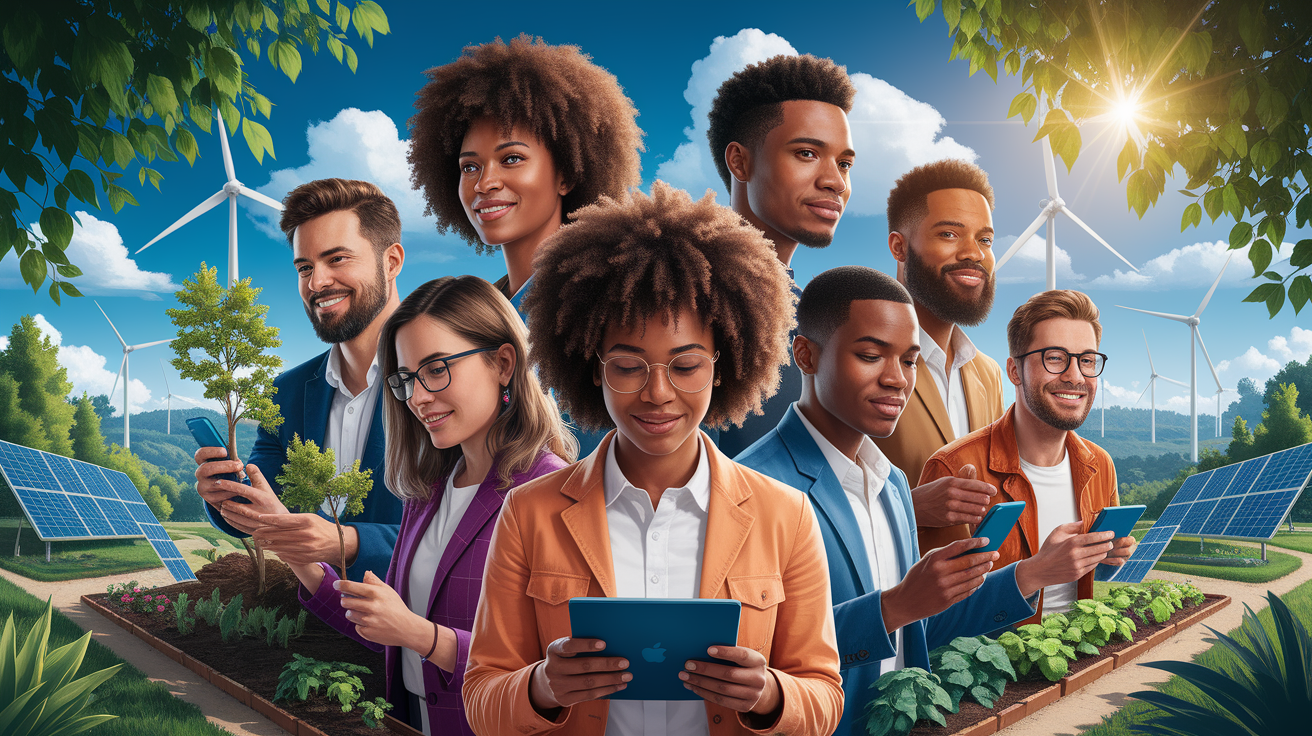
Research increasingly demonstrates that sustainable living is not merely about technological solutions or policy changes—it fundamentally involves human psychology, values, and decision-making processes. The American Psychological Association has recognized that “psychological factors are critical in understanding and promoting sustainable behavior,” highlighting how our discipline can contribute to addressing environmental challenges.
This article explores the bidirectional relationship between our minds and sustainable practices—how psychology influences our environmental behaviors and how sustainable living, in turn, impacts our mental well-being. By understanding these connections, we can develop more effective approaches to encourage pro-environmental behavior while simultaneously enhancing psychological health.
Psychological Benefits of Sustainable Practices
Engaging in sustainable behaviors offers significant psychological benefits beyond their environmental impact. Studies consistently show that sustainable practices contribute positively to mental health and overall well-being.
Mood Enhancement and Stress Reduction
Sustainable activities such as recycling, composting, gardening, and participating in community clean-ups have been linked to lower stress levels, improved mood, and enhanced sense of purpose. Research has demonstrated that these activities create what psychologists call “warm glow”—positive emotional states resulting from behaviors aligned with personal values. According to findings reported by Zero Circle, individuals who regularly engage in sustainable practices report greater feelings of accomplishment and reduced anxiety.
Connection with Nature
Time spent in green spaces—an important aspect of many sustainable lifestyles—consistently shows benefits for psychological well-being. The concept of “biophilia,” our innate connection to nature, helps explain why activities like gardening, nature conservation, and outdoor recreation can be so psychologically rewarding. These nature-based sustainable practices have been shown to:

- Reduce cortisol levels (stress hormone)
- Improve concentration and cognitive function
- Enhance emotional regulation
- Promote feelings of vitality and life satisfaction
Researchers at Earth.org have documented how eco-conscious lifestyles directly correlate with improvements in symptoms of depression and anxiety, particularly when these lifestyles include regular interaction with natural environments.
Meaning and Purpose
Sustainable practices often provide individuals with a sense of meaning and purpose by connecting personal actions to larger societal goals. This connection to something greater than oneself represents a fundamental psychological need. When people feel their sustainable behaviors contribute meaningfully to environmental protection, they experience enhanced psychological well-being and personal growth, as noted in the Minnesota Pollution Control Agency’s handbook on the psychology of sustainable behavior.
Sustainable Lifestyles and Mental Health
The relationship between sustainable living and mental health extends beyond immediate psychological benefits to include protection against serious mental health concerns.
Climate Anxiety and Sustainable Action
Climate anxiety, defined as a chronic fear of environmental doom, has emerged as a significant mental health concern, particularly among younger generations. Studies show that this eco-anxiety can cascade into broader mental health issues, including depression and generalized anxiety, by undermining individuals’ sense of safety and future security.
However, research published by Earth.org indicates that engaging in proactive sustainable behaviors serves as a powerful antidote to climate anxiety. These actions transform overwhelming global concerns into manageable personal contributions, reducing feelings of helplessness. Psychologists have observed that sustainable behaviors provide individuals with:
- An increased sense of agency and control
- Reduced rumination about environmental problems
- Greater emotional resilience when facing climate news
- A stronger sense of hope and optimism
The American Psychological Association notes that building this environmental resilience often involves combining sustainable practices with mindfulness techniques, creating a powerful approach to managing eco-anxiety.

Quantifiable Mental Health Correlations
Research has identified measurable correlations between sustainable healthy lifestyles and improved mental health outcomes. A structural equation modeling study published in the National Library of Medicine found significant negative correlations between sustainable lifestyle practices and psychological symptoms:
- Depression (r = -0.477)
- Stress (r = -0.446)
- Anxiety (r = -0.479)
These correlations demonstrate that individuals maintaining sustainable healthy lifestyles—including regular physical activity, balanced nutrition, sufficient sleep, and environmentally conscious behaviors—experience fewer symptoms of common mental health disorders.
Physical Literacy as a Mediator
The relationship between sustainable living and mental health is partially mediated by physical literacy—a concept encompassing physical competence, motivation, confidence, and knowledge. Research indicates that sustainable lifestyles often incorporate physical activities that enhance physical literacy, which in turn builds psychological resilience and emotional regulation capacity.
This mediating effect suggests that integrating physical activity into sustainable practices (such as bicycle commuting, gardening, or community clean-up events) may offer synergistic benefits for both environmental and psychological health, as reported in peer-reviewed research.
Behavioral Drivers in Sustainable Living
Understanding what motivates sustainable behavior is essential for promoting widespread adoption of eco-friendly practices. Behavioral economics and environmental psychology offer valuable insights into these drivers.
Context and Choice Architecture
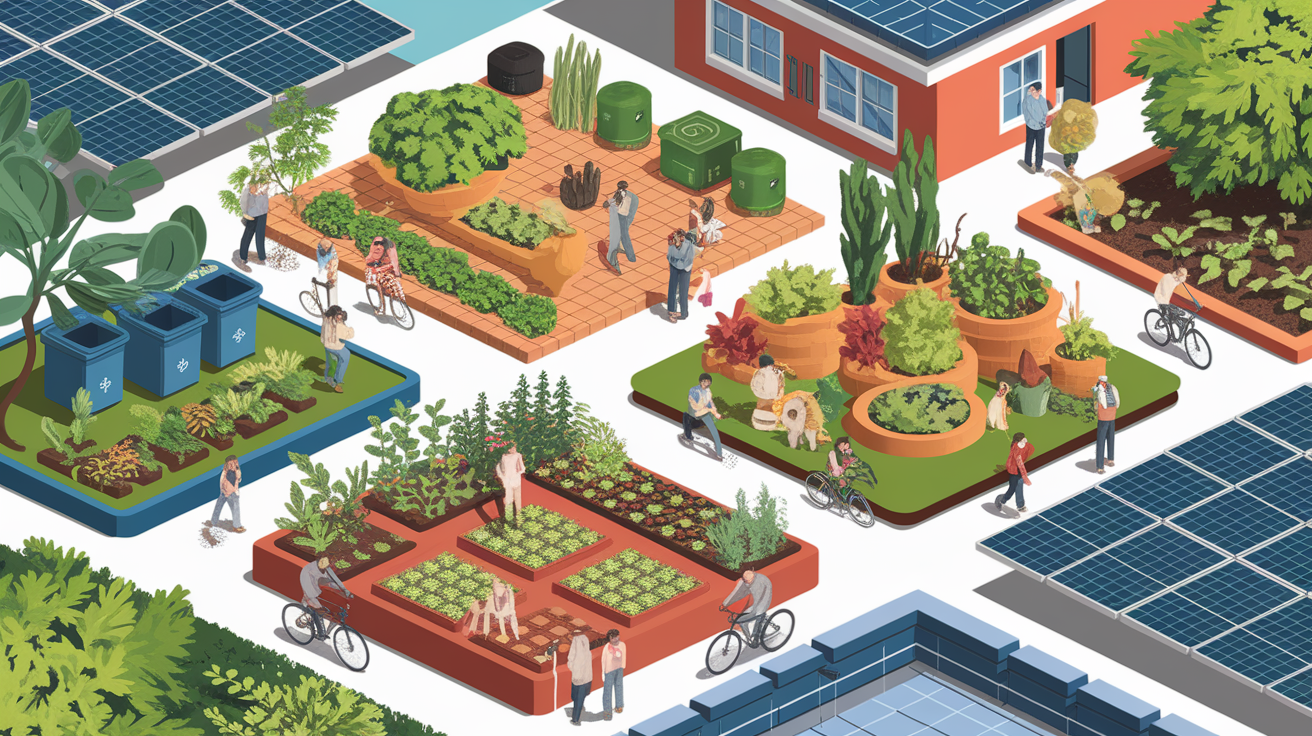
Human behavior in sustainability contexts is often driven more by situational factors than by conscious deliberation. The Minnesota Pollution Control Agency explains that effective sustainability promotion involves designing environments where sustainable choices are easy, convenient, and rewarding.
Examples of successful choice architecture include:
- Making recycling bins more accessible than trash cans
- Developing infrastructure that makes cycling safer and more convenient than driving
- Setting sustainable options as defaults (such as double-sided printing)
- Creating financial incentives for renewable energy adoption
These approaches recognize that sustainable behavior is often a product of our environment rather than solely a result of environmental values or attitudes.
Social Norms and Environmental Identity
Social influences play a decisive role in motivating sustainable behaviors. Research published in Frontiers in Psychology demonstrates that people are more likely to adopt sustainable practices when they perceive these behaviors as normative within their social groups.
Environmental social identity—the extent to which individuals identify as environmentally conscious—strongly predicts long-term sustainable behaviors. Psychological interventions that strengthen this identity component have shown promise in creating lasting behavior change. The American Psychological Association notes that community-based sustainability programs often succeed because they leverage social connection while reinforcing environmental identity.
Aligning Values and Actions
Understanding the role of personal values in sustainable behavior provides critical insights for encouraging pro-environmental actions. While many individuals express environmental values, a value-action gap often exists where behaviors don’t align with stated values. Psychological research indicates this gap stems from:
- Competing values and priorities
- Perceived behavioral barriers
- Lack of self-efficacy regarding environmental impact
- Cognitive biases that favor immediate rewards over long-term benefits
Effective approaches to sustainable behavior change address these gaps by making sustainable actions more personally relevant and by connecting them to existing values such as health, community well-being, or financial security, as documented in psychological research on sustainable behaviors.
Conclusion: Cultivating a Greener Mindset
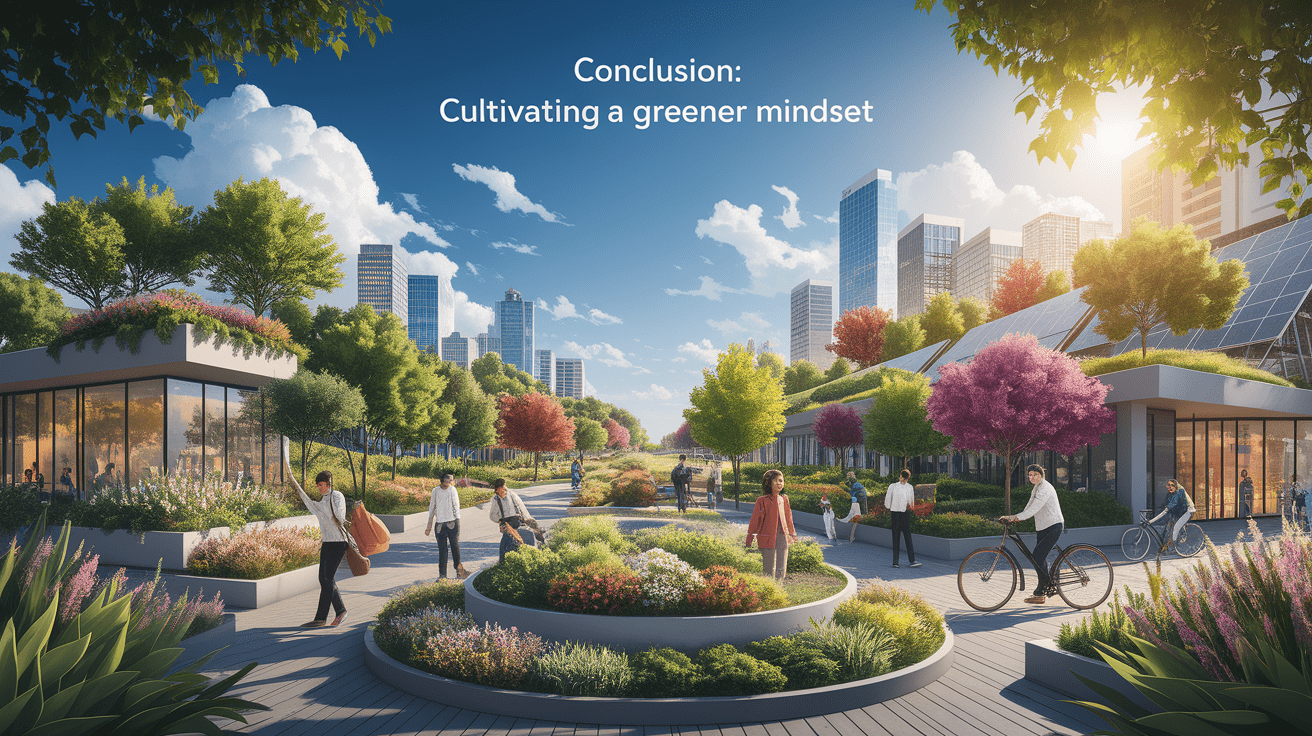
The psychological dimensions of sustainable living reveal a powerful reciprocal relationship: our mental frameworks influence our environmental behaviors, while sustainable practices positively impact our psychological well-being. This understanding offers a hopeful perspective on environmental challenges by highlighting how personal and planetary health are interconnected.
By leveraging insights from environmental psychology and behavioral science, we can design more effective approaches to sustainability that work with—rather than against—human psychology. These approaches recognize that sustainable behaviors are most likely to be adopted when they align with existing values, occur within supportive social contexts, and provide tangible psychological benefits.
As we face growing environmental challenges, the integration of psychological knowledge into sustainability efforts represents a crucial pathway forward—one that nurtures both human well-being and ecological health. By cultivating mindsets that support sustainable living, we can foster individual flourishing while contributing to a more resilient planet for future generations.