

Fearless Among the Bots: Psychological Safety in AI-Mediated Workplaces
Intro – Meeting AI with Psychological Safety
As artificial intelligence (AI) continues to reshape workplace culture, the concept of psychological safety emerges as a foundational prerequisite for employee wellbeing and organizational success. Psychological safety enables team members to share ideas, voice concerns, and admit mistakes without fear of embarrassment or reprisal. In AI-mediated workplaces, where automation, machine learning, and algorithmic decision-making increasingly influence daily operations, fostering this climate of trust becomes essential. Employees must adapt to digital transformation while navigating the interpersonal and ethical implications of human-AI collaboration.

Defining Psychological Safety in an AI Context
Traditional psychological safety, as described in organizational psychology, refers to the shared belief that a team is safe for interpersonal risk-taking. In an AI-integrated environment, this definition extends to the assurance that technology will be used transparently, ethically, and in ways that support human value—not diminish it.

In AI contexts, psychological safety means:
- Employees feel comfortable discussing AI usage and its impact on their roles.
- Decision-making processes involving AI are transparent and accountable.
- Concerns about algorithmic bias, privacy, and job security are addressed openly.
According to Bloomreach, effective psychological safety in AI workplaces allows teams to unlock their best performance by viewing AI systems as supportive tools rather than threats.
Threats to Psychological Safety in AI-Driven Workplaces
While AI adoption offers efficiency gains and workplace innovation, it can also introduce significant psychological risks. These risks include:

- Automation anxiety: Fear of job displacement due to AI and machine learning automation.
- Algorithmic bias: Concerns that AI decisions could unfairly impact employees if biases are embedded in datasets or models.
- Opaque decision-making: Limited understanding of how AI arrives at outcomes, which can erode trust.
Research discussed by VE3 Global notes that employees’ fear of losing relevance or autonomy can lower psychological safety levels. Similarly, AI feedback systems may cause stress if workers feel constantly monitored without clear communication about data usage.
Building and Maintaining Trust with AI
Strategies to cultivate workplace trust during AI integration focus on transparency, inclusivity, and ethical governance. Organizations can safeguard psychological safety by:
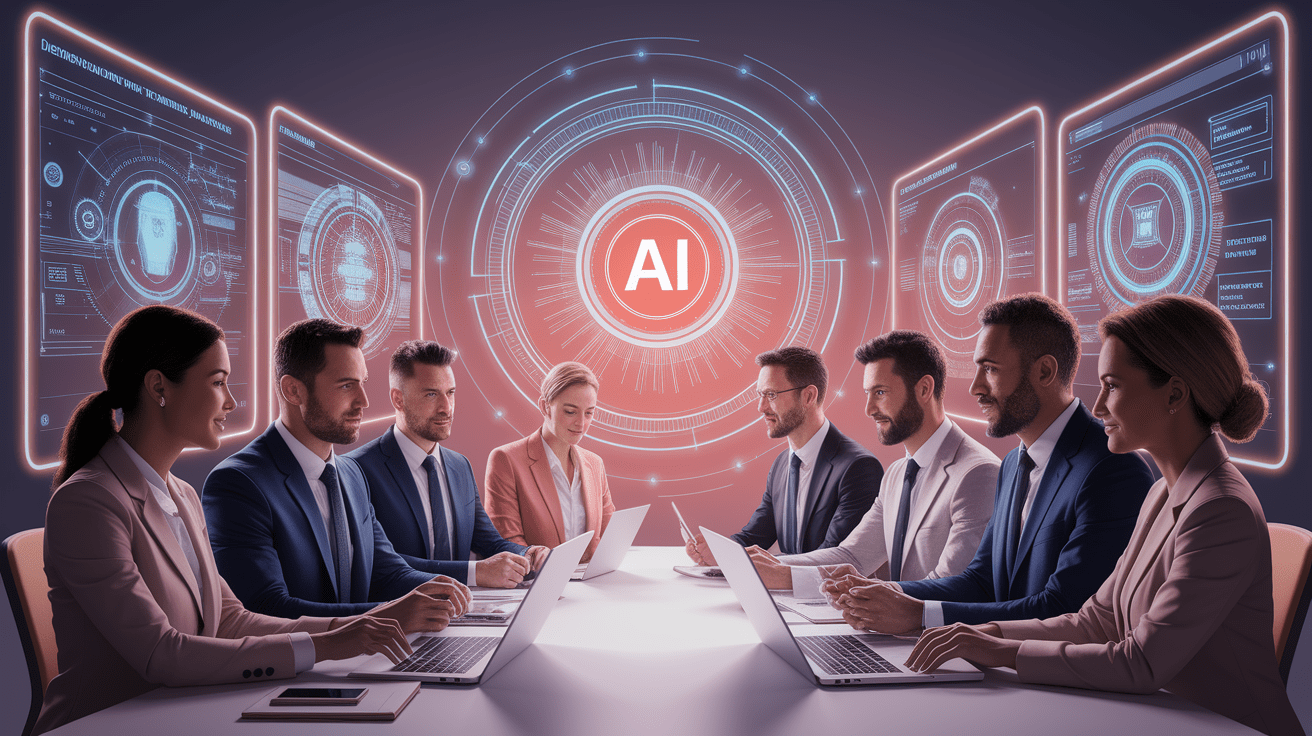
- Transparent AI governance: Explaining decision-making processes and providing accessible AI performance metrics.
- Employee participation: Including staff in AI development or pilot phases to enhance ownership and reduce resistance.
- Bias mitigation: Regularly auditing AI systems for fairness and impartiality.
- Ethical feedback systems: As highlighted in Gaslighting Check, designing AI feedback mechanisms with algorithmic empathy to avoid fostering workplace anxiety.
According to DigiLeaders, focusing on human-centered AI decision-making not only supports employee mental health but also improves AI adoption outcomes.
Measuring Success and Ongoing Improvement
Assessing psychological safety in AI-mediated environments requires specific metrics that consider both human and technological factors. Organizations can measure effectiveness through:
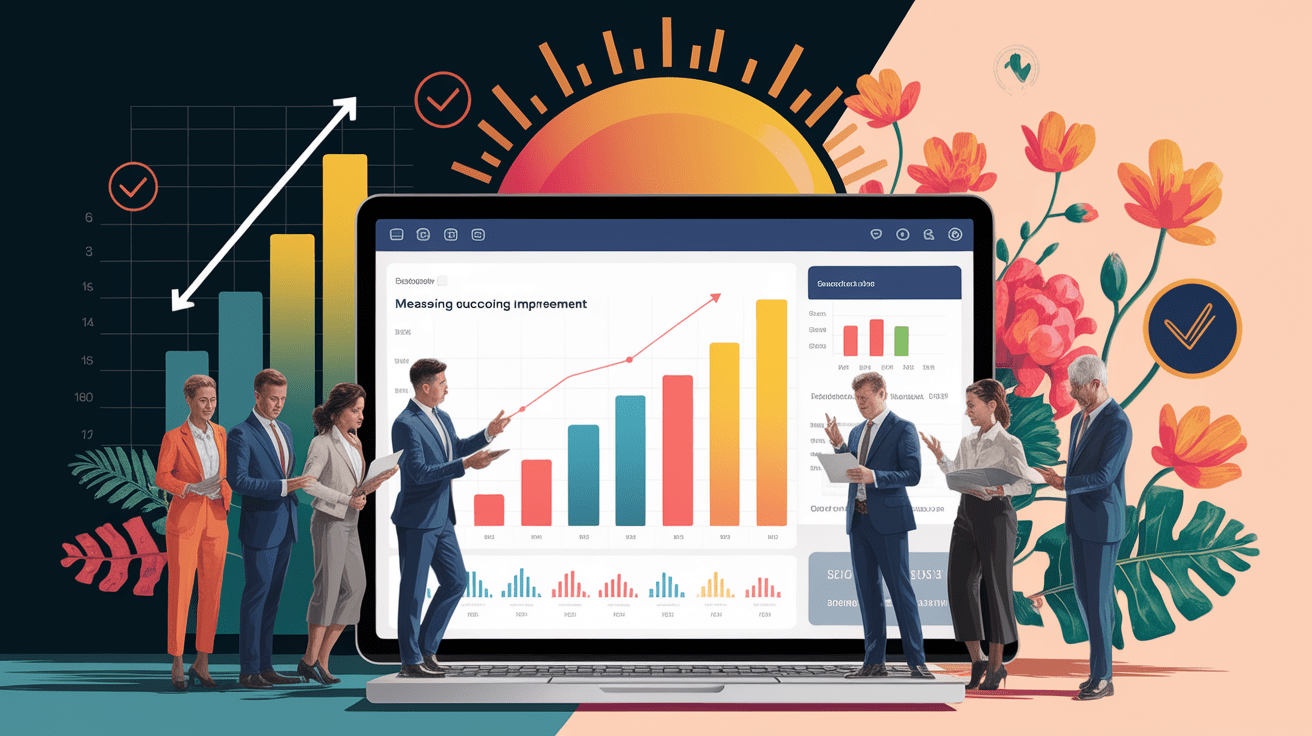
- Employee surveys on trust, communication, and perceived fairness of AI systems.
- Retention rates and engagement scores before and after AI integration.
- Qualitative feedback sessions addressing human-AI collaboration experiences.
The benefits of high psychological safety are well-documented. As noted by SHRM, it leads to greater employee engagement, improved collaboration, and reduced attrition. In AI-powered workplaces, these advantages are amplified, as workers are empowered to adapt to change without fear.
Conclusion – Cultivating Resilience in the AI Era
Maintaining psychological safety during AI implementation is not a one-time initiative but an ongoing process of trust-building, transparent communication, and ethical governance. As highlighted by the American Psychological Association, evolving technologies demand workplace resilience strategies that prioritize employee wellbeing alongside innovation. By embedding human-centered principles in AI governance, organizations can foster environments where human-AI collaboration thrives, anxiety about AI workplace changes is minimized, and collective resilience drives sustainable success.