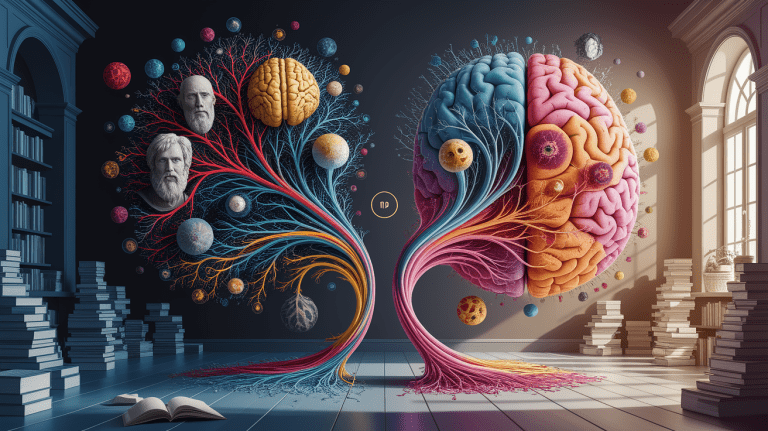

Unlocking the Mind: Understanding the Psychology of Collective Memory
Collective memory represents a fascinating intersection of cognitive psychology, social dynamics, and cultural practices. This shared psychological phenomenon shapes how groups remember their past and how these memories influence their identity and future actions. Unlike individual memory, collective memory operates across social networks, institutions, and generations, creating a complex web of shared narratives that bind communities together.
The Essence of Collective Memory
In psychology, collective memory refers to shared recollections and representations of the past that are maintained by members of a social group. According to the APA Dictionary of Psychology, collective memory encompasses “mental representations of past events that are common to members of a social group,” particularly concerning events relevant to that group rather than purely personal experiences.

This concept bridges two important perspectives:
- Internalist view: Treats collective memory as overlapping individual memories held by group members
- Externalist view: Emphasizes socially generated representations embedded in commemorations, media, and cultural artifacts
What distinguishes collective memory from individual memory is its social framing—it is maintained and negotiated through communication, culture, and institutions, even though it ultimately resides in individual minds. This social construction of memory creates a shared psychological reality that transcends individual experience while remaining dependent on it.
Historical Foundations
The modern study of collective memory traces its roots to French sociologist Maurice Halbwachs, who in the early 20th century pioneered the concept that individual memories are always shaped by social frameworks. Halbwachs argued that groups provide the categories, language, and norms that structure how people recall and interpret the past, making memory an inherently social phenomenon.
As explained in research on collective memory, Halbwachs’ work established that our memories exist within social frameworks—family, religious groups, social classes, and nations—that influence what we remember and how we remember it. This foundational understanding has been expanded upon by subsequent theorists who distinguished between different levels of collective memory:
- Family memory
- Community memory
- National memory
- Cultural memory
Psychological theorists like Henry L. Roediger III have further developed our understanding by proposing that collective memory operates along three facets: as a body of shared knowledge about the past, as a collective image that conveys group identity, and as an active process where alternative versions of the past are contested. This theoretical framework helps explain how collective memory functions both as content and process.

Recent theoretical work has increasingly integrated cognitive mechanisms with social and cultural processes to create more comprehensive models that explain how collective memories emerge, stabilize, and change over time.
Mechanisms of Shared Remembering
Psychological research has identified several key mechanisms through which collective memories form and evolve. These mechanisms operate at multiple levels, from dyadic interactions to large-scale social networks.
Conversational Remembering
When people discuss past events, their individual memories shift toward alignment with their conversation partners. This process, documented in studies on collective memory, demonstrates how communication serves as a fundamental mechanism for memory convergence. Through repeated conversations across social networks, certain narratives become reinforced while others fade, creating shared representations of the past.
Collaborative Recall Effects
Group memory dynamics include two seemingly contradictory phenomena:
- Collaborative inhibition: Groups recalling together often remember less than the sum of what individuals would recall separately, as others’ retrieval disrupts each person’s memory organization
- Cross-cueing: One person’s recollections can trigger memories in others that might not have emerged individually, enriching the collective narrative
These processes, described in research on social-interactionist approaches to memory, help explain how communities develop coherent yet selective representations of their shared past.

Memory Malleability
The reconstructive nature of memory—its tendency to be reshaped each time it is recalled—facilitates the formation of collective memories while introducing potential distortions. This malleability serves an important function, allowing groups to adapt their narratives to changing social needs and identities.
Both top-down processes (institutional influence, media narratives) and bottom-up processes (everyday conversations, personal sharing) contribute to the evolution of collective memories, creating a dynamic interplay between individual cognition and social structures.
Functions and Implications
Collective memory serves critical psychological and social functions that extend far beyond simple record-keeping. These functions have profound implications for group identity, social cohesion, and intergroup relations.
Identity Formation and Maintenance
Shared recollections help define what it means to belong to a particular group by providing a common past that members can claim as their own. The psychological literature emphasizes that these memories—whether of triumphs, traumas, or transformations—strengthen group identity by creating a sense of temporal continuity and shared experience.
Social Cohesion and Meaning-Making
Collective memory provides frameworks through which communities interpret new experiences and challenges. By offering explanatory narratives and moral lessons drawn from the past, these shared memories help groups maintain cohesion in the face of change or threat.

Collective Trauma and Intergenerational Transmission
Particularly powerful are memories of collective trauma—experiences of suffering or victimization that affect entire communities. These memories can be transmitted across generations through family narratives, educational systems, and cultural representations, shaping descendants’ identities and emotional responses even when they did not directly experience the events. This phenomenon, documented in research on intergenerational memory, highlights how collective memories can have lasting psychological impacts across time.
Power Relations and Memory Politics
The content and framing of collective memories influence social and political dynamics. As studies have shown, competing versions of the past often reflect and reinforce power structures within society. Different subgroups may promote alternative narratives, leading to memory conflicts that play out in public debates, education policies, and commemorative practices.
Cultural and Institutional Influences
Collective memory is embedded in and shaped by a variety of cultural practices and institutions that serve as carriers for shared narratives about the past.
Material Memory Repositories
Physical manifestations of collective memory include:
- Monuments and memorials
- Museums and heritage sites
- Archives and libraries
- Textbooks and educational materials
These memory institutions reflect cultural values and priorities while simultaneously shaping how communities remember their past.

Commemorative Practices
Rituals, ceremonies, and observances—from national holidays to moments of silence—serve to reinforce collective memories through repeated performance. These practices engage emotional and sensory dimensions of memory, making abstract historical narratives concrete and personally meaningful.
Media Representations
Films, literature, journalism, and more recently, social media play crucial roles in circulating and reinforcing particular versions of historical events. The psychology of these representations involves not just content but framing, emotional cues, and selective emphasis that guide collective interpretation.
Educational Systems
Schools are powerful vehicles for transmitting collective memory across generations. Curriculum choices, teaching methods, and classroom discussions shape how young people understand their community’s past and their place within it.
These cultural and institutional factors do not simply preserve memories but actively shape them through processes of selection, interpretation, and contextualization, reflecting what psychologists identify as the socially constructed nature of collective remembering.
Contemporary Research and Future Directions
Current psychological research on collective memory is expanding in several exciting directions that integrate multiple methodologies and disciplinary perspectives.
Digital Memory Spaces
Researchers are increasingly examining how digital and social media create new arenas for collective remembering. Online platforms enable broader participation in memory construction but may also fragment shared narratives into echo chambers or accelerate cycles of remembering and forgetting.
Methodological Integration
Contemporary studies combine laboratory experiments on memory processes with field research on real-world commemorative practices. This integration, advocated in social-interactionist frameworks, allows researchers to connect cognitive mechanisms with their social and cultural contexts.
Applied Memory Research
Psychologists are applying insights from collective memory research to address practical challenges, including:
- Developing more inclusive historical narratives in divided societies
- Creating effective public health messaging that acknowledges community histories
- Designing commemorative practices that support healing after collective trauma
- Understanding how memory biases influence public policy decisions
Future research directions, as outlined in psychological reviews, will likely focus on better understanding the dynamic interplay between individual cognition, social interaction, institutional structures, and cultural contexts in shaping collective memories.
Conclusion: The Power of Shared Memories
Collective memory stands at the intersection of individual minds and social structures, serving as a powerful force in human psychology and society. Through mechanisms of shared remembering, these memories shape group identities, guide social behavior, and connect generations across time. As research continues to illuminate the complex processes through which communities construct, maintain, and transform their shared understandings of the past, we gain valuable insights not only into memory itself but into the fundamental social nature of human cognition and identity.