

Navigating the Mind: The Psychology Behind Digital Nomadism
The rise of digital nomadism represents a profound shift in how people approach work, lifestyle, and personal identity in our increasingly connected world. This phenomenon—defined by those who use digital technologies to perform paid work while living a location-independent, mobile lifestyle—has garnered attention from psychologists and sociologists alike for its unique implications on mental health and well-being. This article explores the psychological dimensions of the digital nomad experience, examining both challenges and benefits while providing evidence-based strategies for those navigating this modern way of living.
The Allure of Freedom
What drives individuals to embrace the digital nomad lifestyle? Research suggests the psychological motivations are complex and multifaceted, extending beyond simple wanderlust.
Studies frame digital nomadism as a form of lifestyle migration rather than traditional economic migration, with significant implications for identity formation and psychological well-being. The decision to become location-independent often emerges from a combination of push and pull factors:
- Pull factors: Desire for autonomy, freedom from conventional work structures, pursuit of meaningful experiences, and opportunities for personal growth
- Push factors: Dissatisfaction with traditional work environments, desire to escape limiting life circumstances, and response to significant life transitions
The psychology behind this choice often involves what researchers call an “approach-avoidance framework,” where individuals are simultaneously drawn toward the perceived benefits of mobility while moving away from dissatisfying aspects of their current situations. Research on digital nomad motivations consistently highlights themes of freedom, self-determination, and authentic living—psychological needs that many find unfulfilled in conventional work arrangements.

This yearning for autonomy represents a fundamental psychological drive. As one digital nomad researcher notes, the appeal lies in “professional, spatial, and personal freedom”—the ability to determine not just where one works, but how one structures their entire life experience.
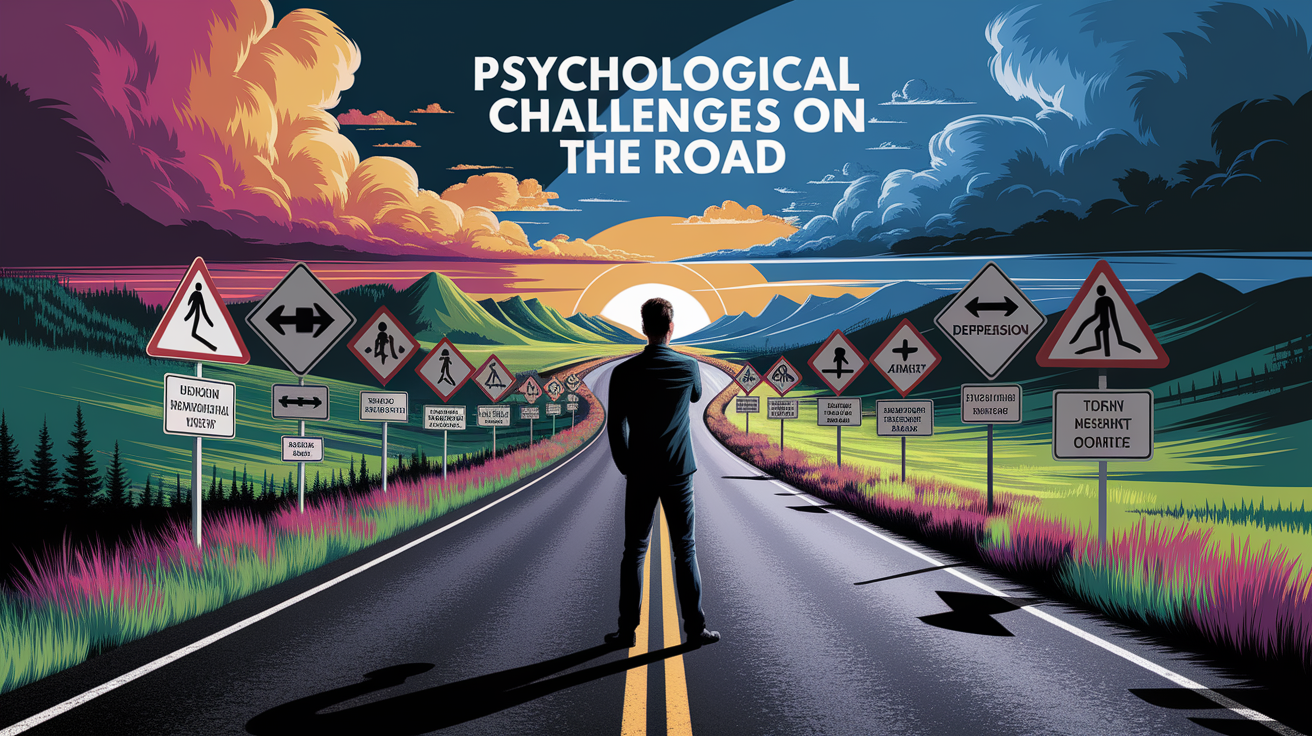
Psychological Challenges on the Road
Despite the allure of freedom and flexibility, digital nomads face distinct psychological challenges that can impact their mental health and well-being:
Loneliness and Social Isolation
Empirical studies identify loneliness as one of the most significant psychological challenges for digital nomads. The transient nature of relationships formed while traveling creates a paradoxical situation: surrounded by people yet lacking deep connections. This “loneliness continuum” varies widely among individuals—some find vibrant communities that reduce isolation, while others experience profound disconnection from stable social networks.
Research shows that constant mobility often disrupts the formation and maintenance of close relationships, which are essential for psychological health. Digital nomads frequently report missing the comfort of familiar social circles and the security that comes with being known by others over time.
Anxiety and Uncertainty
The digital nomad lifestyle introduces unique stressors related to constant change and uncertainty. Mental health practitioners have documented how the continuous planning, adapting to new environments, and managing work across time zones can generate chronic stress. Financial precarity—particularly for freelancers or those with irregular income—further compounds anxiety about future stability.
Additionally, the practical challenges of finding accommodation, establishing reliable internet connections, and navigating unfamiliar healthcare systems create cognitive load that can become overwhelming over time.
Identity Instability
Frequent relocations can lead to what some researchers term “cultural homelessness”—a state of detachment where individuals may struggle to define where they belong. This disruption to identity can manifest as feeling perpetually between cultures, belonging nowhere completely.
Studies examining the psychological impact of digital nomadism highlight the complex relationship between mobility and identity formation. While some nomads successfully integrate their experiences into a coherent sense of self, others struggle with fragmentation and rootlessness.
Work-Life Boundary Erosion
When your laptop is both your office and your lifeline, maintaining healthy work-life boundaries becomes exceptionally challenging. Digital nomads frequently report working irregular hours, being constantly available to clients in different time zones, and struggling to separate professional and personal life.
This boundary erosion creates fertile ground for burnout—a state of chronic physical and emotional exhaustion linked to work demands. The absence of structured workplaces and schedules that traditionally help delineate work from leisure time requires digital nomads to develop strong internal boundaries to protect their mental health.
The Bright Side: Psychological Benefits
While challenges exist, research also documents significant psychological benefits associated with the digital nomad lifestyle:
Autonomy and Self-Determination
Research on digital nomad experiences consistently highlights increased perceptions of autonomy and freedom as major psychological benefits. This sense of control over one’s life circumstances aligns with self-determination theory, which identifies autonomy as a fundamental psychological need linked to well-being.
The ability to design one’s lifestyle according to personal values rather than external expectations creates opportunities for authentic living and greater life satisfaction. Many nomads report feeling liberated from societal constraints and empowered to make choices that align with their core values.
Enhanced Adaptability and Resilience
Repeatedly navigating new environments, cultures, and challenges builds psychological resilience—the ability to bounce back from adversity. Digital nomads often develop exceptional adaptability skills as they learn to function effectively across diverse contexts.

This cultivated resilience becomes a psychological asset, with many reporting increased confidence in their ability to handle uncertain situations both professionally and personally. The constant exposure to novel situations strengthens cognitive flexibility and problem-solving abilities.
Creativity and Cognitive Expansion
Exposure to diverse environments, cultures, and perspectives has been linked to enhanced creativity and cognitive flexibility. Studies suggest that immersion in different cultural contexts can stimulate divergent thinking and innovative problem-solving approaches.
The variety of experiences and environments that characterize the digital nomad lifestyle may contribute to these cognitive benefits, providing constant stimulation and opportunities for mental growth.
Access to Restorative Environments
Digital nomads often have the freedom to choose locations with access to nature, optimal climate conditions, and environments that support their psychological well-being. This ability to select surroundings based on personal preference can significantly impact mood and mental health.
Research in environmental psychology suggests that proximity to natural settings can reduce stress, improve mood, and enhance cognitive function—benefits that many digital nomads consciously seek in their location choices.
Coping Strategies for Mental Well-being
Successful digital nomads develop intentional strategies to maintain psychological health while navigating the unique challenges of their lifestyle:
Creating Temporary Anchors and Routines
Research on nomadic coping mechanisms highlights the importance of establishing anchoring routines that provide stability amid change. These might include:
- Morning rituals that remain constant regardless of location
- Regular use of specific coworking spaces
- Participation in familiar activities (yoga classes, running groups) in new locations
- Maintaining virtual connections with established support networks
These anchoring practices provide psychological continuity that helps counterbalance the disorientation that can accompany frequent transitions.
Intentional Community Building
Combating loneliness requires proactive approaches to community building. Mental health experts recommend that digital nomads:
- Leverage digital nomad hubs and coworking spaces to connect with like-minded individuals
- Participate in both online and offline communities relevant to their interests
- Develop skills for forming meaningful connections quickly
- Maintain long-term virtual relationships with family and established friends
- Consider “slow travel” approaches that allow deeper local integration
These community-building strategies help address the fundamental human need for belonging and connection that can be challenged by high mobility.

Establishing Work-Life Boundaries
To prevent burnout, successful digital nomads implement deliberate boundaries between work and personal time:
- Dedicated workspaces (even in small accommodations)
- Clearly defined working hours
- Digital disconnection practices during non-work periods
- Communication protocols with clients that respect time zone differences
- Regular days off and vacation periods
These boundaries help maintain productivity while protecting mental health and preventing work from consuming all aspects of life.
Mindful Social Media Use
Research examining digital nomads’ relationship with social media reveals its dual nature: it can serve as a vital connection tool but also exacerbate feelings of Fear of Missing Out (FoMO) and comparison anxiety. Healthy strategies include:
- Scheduled times for social media engagement rather than constant checking
- Curating feeds to reduce exposure to idealized representations that trigger comparison
- Using social platforms intentionally for community building rather than passive consumption
- Regular digital detox periods to reconnect with present experiences
These approaches help nomads leverage the benefits of digital connection while minimizing its potential negative psychological impacts.
Bridging the Research Gap
Despite growing interest in digital nomadism, significant gaps remain in our understanding of its psychological dimensions:
Limitations in Current Research
Critical reviews of existing research highlight several limitations:
- Predominance of qualitative and cross-sectional studies with limited longitudinal data
- Sampling biases toward English-speaking, Western, and relatively privileged nomads
- Insufficient clinical research on mental health outcomes
- Limited integration of psychological theory with sociological and economic perspectives
These limitations restrict our understanding of how digital nomadism affects mental health across diverse populations and over extended periods.

Emerging Research Directions
Scholars are calling for more robust research approaches, including:
- Longitudinal studies tracking psychological well-being over time
- Research examining how digital nomadism affects different demographic groups (considering gender, socioeconomic status, family status)
- Investigation of causal relationships between mobility patterns and mental health outcomes
- Evaluation of interventions and support systems for digital nomad well-being
- Interdisciplinary frameworks that consider individual psychology alongside structural factors
As ongoing research programs develop, our understanding of the complex psychological dimensions of digital nomadism will continue to evolve.
Conclusion: Embracing the Journey
The psychology of digital nomadism reflects the fundamental tension between human needs for both freedom and belonging. While this lifestyle offers unprecedented autonomy and opportunities for personal growth, it also presents unique challenges to mental well-being that require intentional management.
As remote work continues to normalize globally, the psychological insights gained from studying digital nomads may have broader implications for understanding how mobility, technology, and work arrangements impact mental health in contemporary society.
For those considering or currently living a nomadic lifestyle, awareness of both the psychological risks and benefits—alongside evidence-based strategies for maintaining mental well-being—can help transform the challenges of mobility into opportunities for resilience and growth. The journey of the digital nomad is as much an internal psychological expedition as it is a global adventure.